
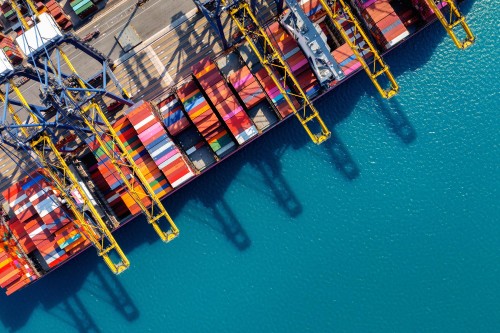
The European Union and China have embarked on a three-month negotiation process intended to address a significant €360 billion trade imbalance and avert a potential trade conflict. This decision followed weeks of escalating tensions over the influx of Chinese exports into European markets. The talks represent the first cooperative statement between the EU and China in seven years, highlighting a mutual interest in establishing a more equitable trade relationship.
EU Trade Commissioner Maroš Šefčovič emphasized the need for the discussions to yield “tangible results” before the upcoming high-level meeting in Beijing scheduled for October. His meeting with Chinese Commerce Minister Wang Wentao is part of broader diplomatic efforts to ease tensions. Both parties have expressed that the consultations will enhance dialogue regarding economic policies and contribute to stabilizing their relations. Despite these efforts, European leaders remain wary of what they term “China Shock 2.0,” a scenario where an increase in Chinese exports could adversely affect European industries and employment.
Statistics from Eurostat reveal that Chinese exports to the EU surpass European exports to China by approximately €1 billion daily. Šefčovič noted that the growing trade deficit is unsustainable, stressing the need for the negotiations to achieve substantial progress. European industry groups have voiced concerns that the influx of Chinese exports could undermine local manufacturing sectors, particularly those reliant on Chinese components. The scope of the dispute extends beyond electric vehicles and green energy products, touching upon wider industrial competition.
The negotiation agenda encompasses four principal areas: achieving a balanced trade and investment environment, regulating export controls including rare earth materials, safeguarding intellectual property rights, and implementing reforms associated with the World Trade Organization. Additionally, the EU and China have agreed to develop a monitoring mechanism to detect sudden fluctuations in import or export volumes. Officials indicated that if trade flows reach critical levels necessitating political intervention, the discussions might escalate.
The EU’s cautious strategy follows the imposition of tariffs in 2024, which did not significantly curb Chinese electric vehicle imports. European authorities are now exploring further measures, potentially including quotas on hybrid vehicles and chemical products, to address the ongoing trade challenges.