
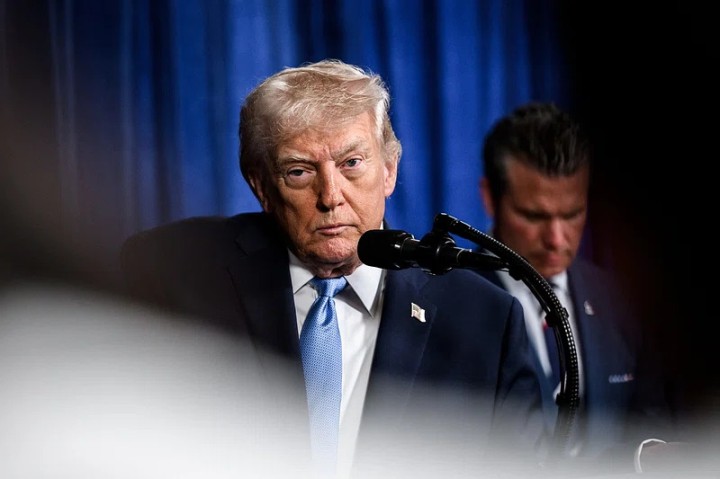
US President Donald Trump has voiced strong criticism of the recent Israeli airstrikes targeting southern Beirut, cautioning that such military actions could jeopardize important diplomatic efforts toward achieving a comprehensive peace deal in the Middle East. In his statement, Trump called for restraint from all involved parties and demanded an immediate cessation of military activities in Lebanon. He emphasized the need to avoid further Israeli strikes in Lebanon and deter any retaliatory attacks by Hezbollah or other entities against Israel.
Trump highlighted the sensitive timing of these airstrikes, pointing out that negotiations concerning a significant regional peace framework were at a crucial juncture. He expressed optimism that ongoing diplomatic efforts could lead to enhanced stability and a durable reduction of tensions in the region. Meanwhile, Israel justified its military response, claiming it was in retaliation to projectiles launched by Hezbollah into Israeli territory earlier that day. Israeli officials stated that the airstrikes targeted a Hezbollah command center in southern Beirut, framing the action as a necessary measure for defending their nation and its citizens.
Israeli authorities underscored their stance of zero tolerance towards attacks on their soil, holding Hezbollah accountable for the latest escalation of hostilities. The subsequent Israeli airstrikes on Hezbollah-linked sites in southern Beirut have sparked concerns about the potential for renewed violence in Lebanon to disrupt broader diplomatic initiatives involving regional stakeholders. International observers worry that continued military escalation could undermine ongoing efforts to ease tensions and achieve more comprehensive security arrangements in the Middle East.
Despite these challenges, diplomatic initiatives continue, with various countries advocating for dialogue and restraint. Analysts emphasize that maintaining calm on all sides is crucial to sustaining momentum toward regional stability and preventing further conflict. The latest developments underscore the delicate nature of the current situation, where actions on the ground can significantly influence high-level diplomatic talks across the region.