
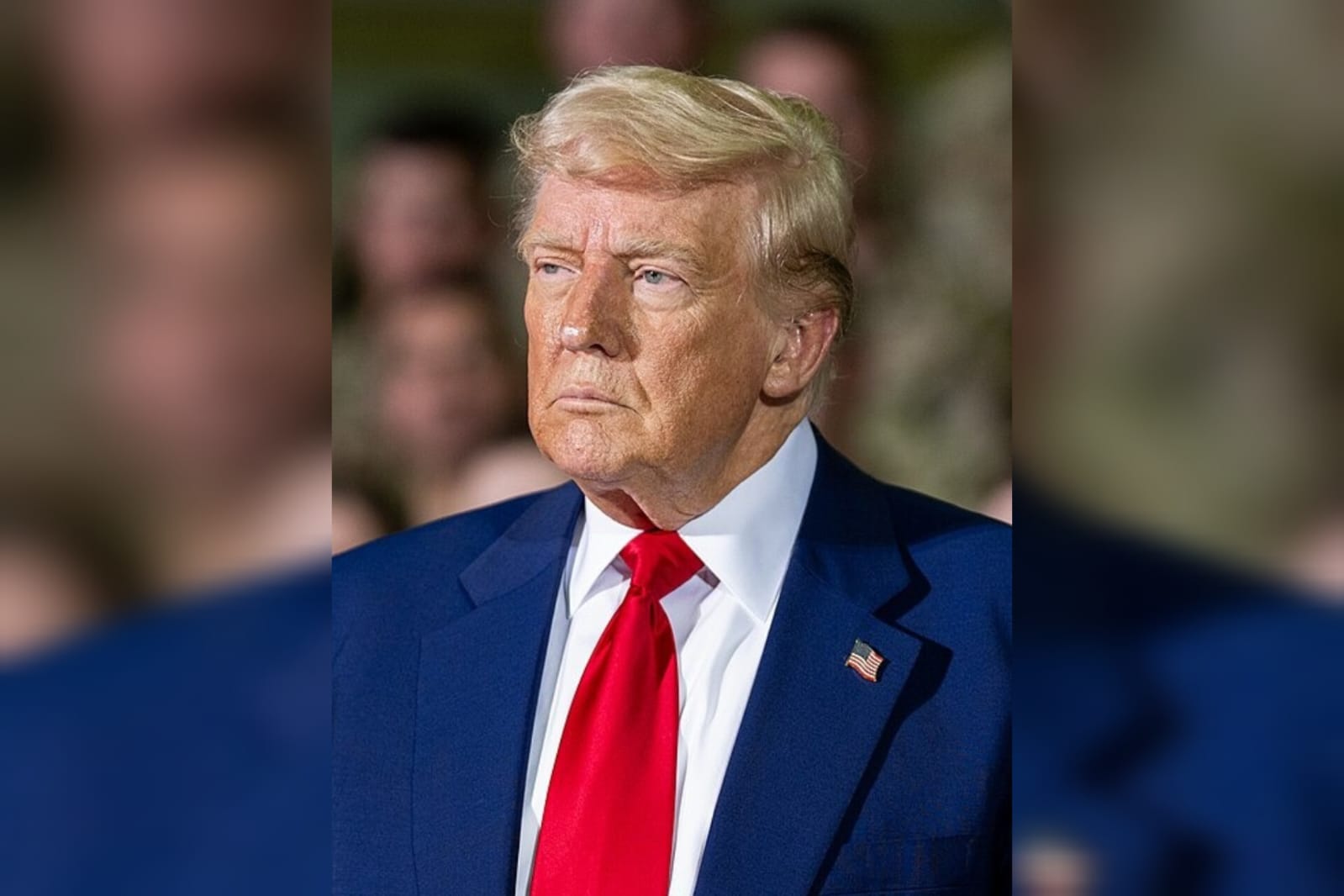
At the G7 Summit in France, U.S. President Donald Trump expressed skepticism over the progress of negotiations with Iran, emphasizing that a final agreement has not yet been reached. Trump cautioned that military action remains a possibility if Tehran fails to align with U.S. expectations. His comments highlighted the negotiations as being at the preliminary stage of a memorandum of understanding rather than a comprehensive deal.
The President’s remarks introduced uncertainty into diplomatic efforts, especially given his earlier optimistic statements during the summit. Initially, Trump characterized the evolving agreement as a “powerful document” and hinted at potential breakthroughs. The mixed messages have created ambiguity around the ongoing talks aimed at de-escalating tensions in the Middle East.
The discussions are focused on initiating a 60-day negotiation period concerning Iran’s nuclear activities and broader regional security matters. Despite the framework’s potential, significant details remain unsettled, with the final outcome contingent on further dialogue between the U.S. and Iran. This situation underscores the fragile nature of the negotiations, with both diplomatic avenues and military threats influencing the current phase of U.S.–Iran relations.
Despite the political uncertainty, the financial markets have reacted positively, buoyed by the prospect of reduced regional tensions. This optimism has been reflected in the easing of oil prices, driven by the expectation of improved global supply conditions. There are also preliminary signs of a partial recovery in oil flows, following the disruption seen in recent times, although the situation remains tentative.