
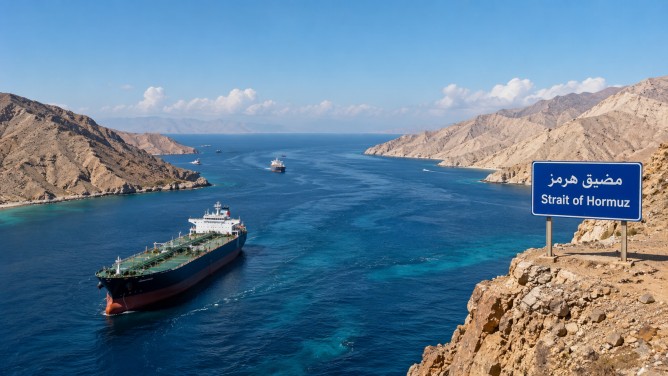
On Thursday, the Strait of Hormuz experienced a significant reduction in shipping activity amid escalating tensions between the United States and Iran. This vital passage for global energy trade saw only three commodity vessels traverse its waters, marking the lowest daily traffic since May. The recent spike in security concerns, fueled by attacks on commercial vessels and increased military tensions in the area, prompted many ships to delay their journeys or return to their previous ports.
The decrease in vessel traffic has sparked worries about the stability of global energy supplies. As the Strait of Hormuz is responsible for a considerable portion of the world’s oil and liquefied natural gas exports, disruptions here can have widespread implications, including the recent rise in global oil prices. Some vessels that successfully navigated the strait eventually paused in the Gulf of Oman, while a fuel tanker that initially exited had to reverse its course back to the Persian Gulf.
Following a sluggish day on Wednesday, where only 11 vessels crossed the strait—significantly below the typical daily average of about 125 ships—Thursday’s situation further highlighted the impact on shipping routes. Notably, large tankers carrying crude oil and liquefied natural gas were absent for the second day in a row. Nevertheless, two very large crude carriers, each transporting around two million barrels of oil, later emerged beyond the strait and continued on their paths to Asia and Europe.
In a related development, Iraq temporarily halted oil loading operations at its Basra export terminal due to a drone strike targeting an oil tanker, although operations resumed shortly thereafter. Iran has issued warnings that the export of oil and gas through the Strait of Hormuz could face further disruptions if military actions persist, amplifying concerns about ongoing instability in the global energy markets.