
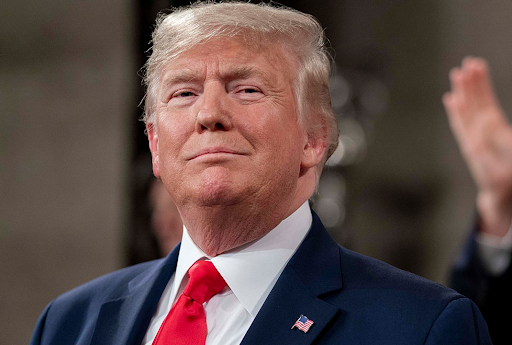
The Nobel Peace Prize has historically celebrated the collaborative work of building and strengthening international institutions, a philosophy that stands in stark contrast to Donald Trump’s individualistic, “go-it-alone” approach to diplomacy. Experts believe this fundamental difference in worldview is a primary reason his candidacy, despite its high profile, remains a long shot.
Trump’s nomination is anchored in the Abraham Accords, a significant diplomatic achievement brokered through his administration’s direct, and often personal, negotiations. His supporters champion this as a victory for a style of leadership that cuts through the bureaucracy of traditional institutions like the United Nations. He is presented as the individual dealmaker who succeeded where the institutions failed.
However, the Norwegian Nobel Committee is a profound believer in those very institutions. Its list of past laureates is filled with organizations like the UN and the European Union, reinforcing the idea that lasting peace is built on a foundation of international law, cooperation, and shared norms. Trump’s presidency was marked by a deep skepticism, if not outright hostility, toward this institutional framework.
This skepticism was evident in his withdrawal from the World Health Organization during a global pandemic and his consistent criticism of alliances like NATO. His actions were those of an individual leader challenging the collective system. For the Nobel Committee, which sees the strengthening of this system as paramount to peace, such a record is deeply problematic.
Ultimately, the prize is intended to promote “fraternity between nations,” an ideal achieved through patient, collaborative, and institution-based efforts. Trump’s legacy is one of prioritizing the individual deal over the institutional process. This makes him an outlier in the world of Nobel contenders, and experts agree the committee will likely reward a candidate who has worked to build up the international system, not tear it down.