
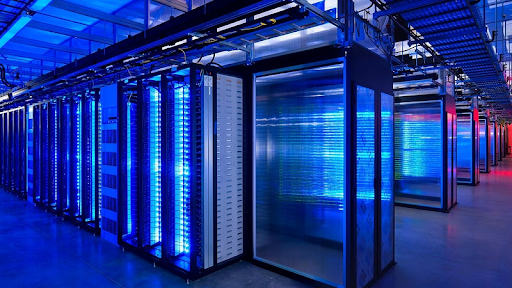
A staggering $3 trillion is projected to be spent on AI datacenters by 2028, igniting a fierce debate: is this the dawn of a new economic revolution or the inflation of a massive financial bubble? These “central nervous systems” for AI are driving record tech valuations, but the “debt-fueled exuberance” is raising serious alarms.
On the “boom” side, the numbers are “remarkable.” Nvidia, the AI chipmaker, is the first $5tn company. Microsoft and Apple are $4tn companies. Google’s parent, Alphabet, just posted a $100bn quarter, and ChatGPT boasts 800 million weekly users. This optimism is transforming communities like Newport, Wales, which is betting its future on a new Microsoft datacenter.
On the “bubble” side, the warnings are stark. Alibaba’s chair, Joe Tsai, sees “the beginning of some kind of bubble” in “speculative” projects. The Uptime Institute, which rates datacenters, agrees, stating “many” of the projects announced “with a fanfare” are “speculative” and “will never be built.”
The biggest risk lies in the financing. A $1.5 trillion funding gap—the amount not covered by Big Tech’s cash—is being filled by “private credit,” a “shadow banking” sector. Analysts warn this influx of debt “could end up representing structural risk to the overall global economy.”
This “exuberance” is also running into a wall of data. A recent MIT study found 95% of organizations are getting “zero return” from their generative AI pilots. This “rattled” investors, questioning whether the “lofty revenue expectations” for AI are anything more than hype.