
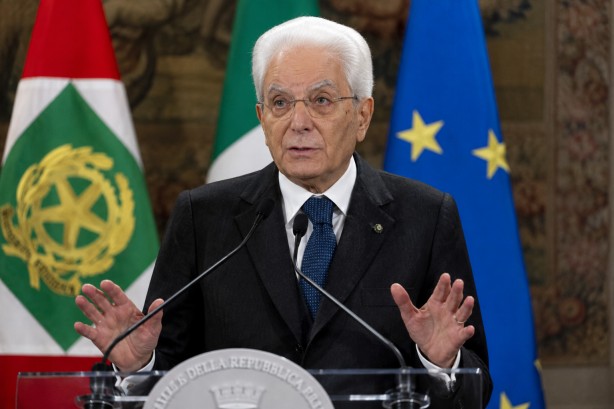
Italian President Sergio Mattarella has issued a warning against modifying legal frameworks in response to specific cases, following the sentencing of jeweller Mario Roggero. Roggero received nearly a 15-year prison term for fatally shooting two robbers and injuring another during a robbery in 2021. This incident has ignited a political discussion in Italy, with Prime Minister Giorgia Meloni criticizing the sentence as excessively harsh. Additionally, some members of the government are advocating for a presidential pardon for Roggero.
The case has also prompted the League party to propose amendments to Italy’s self-defense laws. These suggested changes aim to broaden the scope of self-defense to include immediate reactions during armed assaults. This proposal reflects a growing debate over the adequacy of current laws in protecting citizens who act in self-defense during criminal incidents.
President Mattarella emphasized the importance of maintaining the integrity of the rule of law. He argued that adapting legislation based on individual cases could undermine the state’s duty to ensure justice and security for its citizens. His remarks underscore a delicate balance between upholding established legal principles and responding to public sentiment in high-profile cases.
The controversy surrounding Roggero’s case highlights a broader conversation about the legal and ethical boundaries of self-defense in Italy. As the debate continues, the government faces pressure from various factions to either uphold the current legal standards or consider reforms that could provide more leeway for individuals who defend themselves during criminal acts.
At the core of this debate is a fundamental question about how far the legal system should go in accommodating actions taken in self-defense, without compromising the rule of law. As discussions progress, the implications of any legal changes will likely be closely monitored not only in Italy but also in other countries grappling with similar issues.