
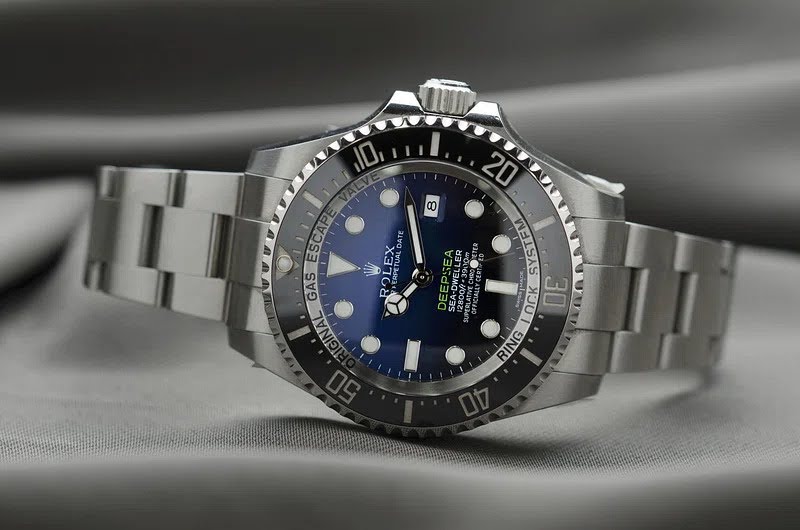
Watches of Switzerland Group Plc has found itself at the epicenter of a new trade war, with its shares plunging by 6% after the US announced a new 39% tariff on Swiss imports. The company, a major seller of luxury timepieces, including Rolex, is uniquely vulnerable to the new duty, which is one of the highest in the world. The stock drop signals immediate investor concern about the tariff’s potential to disrupt its business and erode profits.
The investor reaction is rooted in a simple but painful reality: the higher duty on imported Swiss watches will increase the company’s cost of goods. This could either force the company to absorb the cost, slashing profit margins, or pass it on to consumers, which could lead to a slump in sales. The initial impact was felt by Watches of Switzerland alone, as a public holiday in Switzerland gave competitors like Richemont and Swatch Group AG a brief reprieve from the market turmoil.
This dramatic new policy follows a period of extreme volatility for the Swiss watch industry. An earlier threat of a 31% tariff had previously spurred a rush of exports by importers trying to beat the deadline. This was followed by a hopeful lull, with many anticipating a more favorable outcome. The new 39% tariff, however, has proven that optimism to be misplaced, creating a fresh wave of instability.
American consumers are likely to be the ultimate bearers of this new duty. Analysts at Jefferies predict that the 39% tariff could result in a more than 20% increase in the price of Swiss watches. This potential price hike comes at a time when the luxury market is already showing signs of slowing down due to a trend of “luxury fatigue.” Despite the dire forecast, the one-week delay before the tariff takes effect has led to speculation that this may be a “negotiating tactic,” leaving a glimmer of hope for a last-minute reversal.