
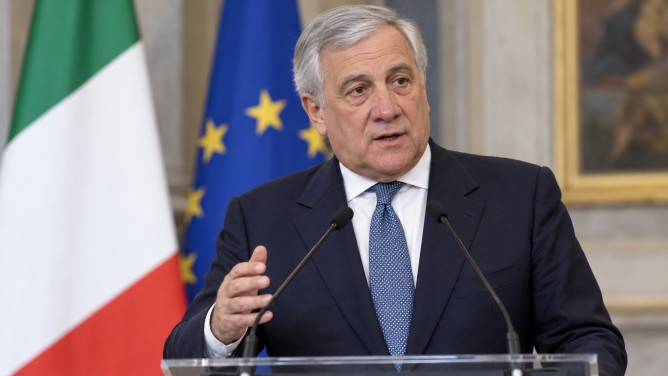
Italy is poised to adjust its fiscal plans significantly by introducing a budget plan that results in an additional deficit of approximately €7 billion compared to its earlier commitments with the European Union. The government, under the leadership of Prime Minister Giorgia Meloni, is advocating for increased fiscal leeway to accommodate rising expenses in energy and defense.
Deputy Prime Minister and Foreign Minister Antonio Tajani has indicated that the government will seek more flexibility in its fiscal policies to manage defense and energy expenditures before presenting these plans for approval in Brussels. Economy Minister Giancarlo Giorgetti emphasized that Italy intends to utilize the maximum flexibility available under EU guidelines, aiming for allocations of 0.6% of GDP for energy security and 0.9% for defense spending.
The Italian government argues that the pressures of higher energy costs and increased defense needs warrant this deviation from the previously agreed deficit targets. These arguments are being made amid ongoing economic challenges, including inflationary pressures that have prompted Prime Minister Meloni to request greater fiscal flexibility from the European Commission.
The European Commission has acknowledged that EU member states can already access additional flexibility under the union’s fiscal framework. However, Italy will be required to formally submit its spending proposals to Brussels to proceed with the proposed deficit increase.
This move by Italy highlights the ongoing challenges faced by EU countries in balancing fiscal discipline with the need to address emergent economic pressures, particularly those related to energy and defense. As the Italian government navigates these complexities, the response from Brussels will be closely watched, potentially setting a precedent for other EU member states facing similar fiscal dilemmas.