
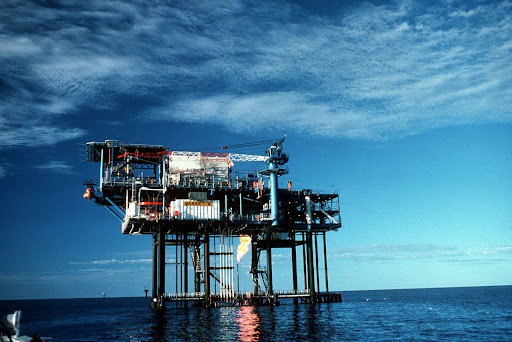
New research reveals China is operating oil and gas vessels and fixed structures inside Taiwan’s exclusive economic zone (EEZ). This activity, documented in July and August, is a clear example of a “greyzone” approach—a strategy to push boundaries without triggering open military conflict. At least a dozen assets were observed, including massive wellhead platforms, with one vessel reportedly coming within 50km of the restricted waters near the Pratas Islands.
Analysts say the operations intentionally blur the lines between commerce and coercion. By repeatedly conducting these activities, China aims to normalize its presence and shrink the space that Taipei can contest and defend. This is a subtle but effective way to assert control and chip away at Taiwan’s maritime claims. The use of commercial vessels for this purpose creates ambiguity and makes a response more difficult.
Taiwan’s official response has been surprisingly muted, raising concerns among some observers who warn that silence risks normalizing the encroachment. The lack of a more forceful pushback is attributed to a combination of legal and capacity constraints that complicate Taiwan’s ability to act. Taiwan is in a difficult position, caught between asserting its sovereignty and the risk of a military confrontation.
The presence of massive wellhead platforms and jackets suggests a long-term commitment to these operations. This is not a temporary presence but a permanent one, designed to solidify China’s claims in the region. The scale and nature of the assets indicate a serious intent to exploit the resources in the area.
The situation highlights the growing challenge of “greyzone” conflict. These low-level incursions, which fall below the threshold of armed conflict, are difficult to counter using traditional military or diplomatic tools. They pose a significant threat to regional stability and international maritime law. The international community is still struggling to develop an effective response to these types of incursions.